
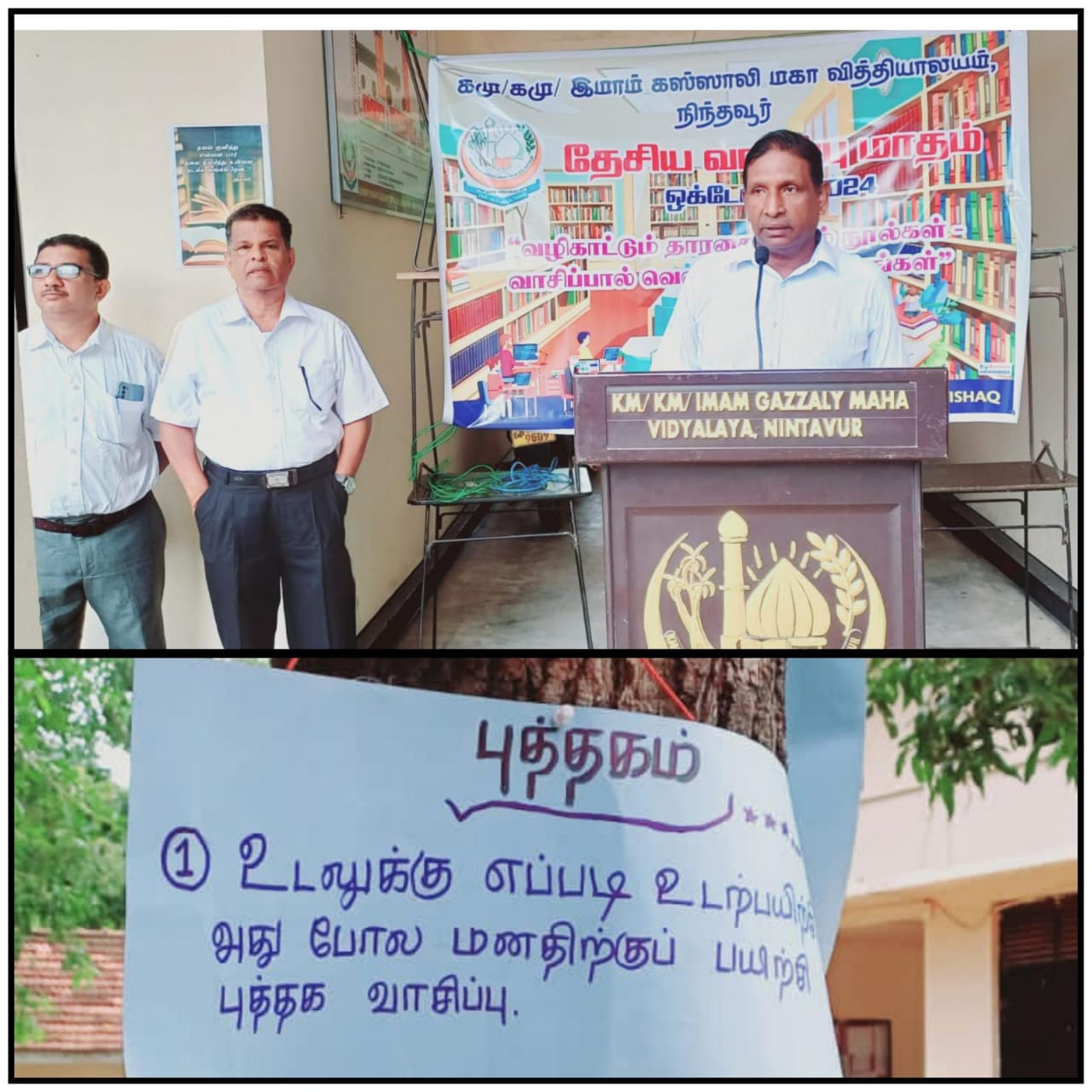



The English Literary Association (ELA) in a school setting is typically an organization or club that focuses on promoting a love for literature, enhancing literary skills, and fostering an appreciation for English language arts among students. The association often organizes various activities, events, and programs aimed at engaging students with literature, creative writing, and other aspects of the English language.
Key Objectives of an English Literary Association:
-
Promote a Love for Literature:
- Encourage students to read and explore a wide range of literary works, including classic and contemporary novels, poetry, plays, and short stories.
-
Enhance Literary Skills:
- Develop students’ reading, writing, speaking, and critical thinking skills through various literary activities.
-
Foster Creativity:
- Provide platforms for students to express themselves creatively through writing, drama, and other forms of artistic expression.
-
Cultivate Public Speaking and Debate Skills:
- Organize debates, elocution contests, and other public speaking events to build confidence and improve students’ oratory abilities.
-
Celebrate Literary Achievements:
- Recognize and reward students who excel in literary pursuits through awards, certificates, and public acknowledgment.
Common Activities Organized by an English Literary Association:
-
Literary Competitions:
- Essay Writing: Competitions where students can showcase their writing skills on various topics.
- Poetry Writing/Recitation: Encouraging students to write and recite poetry, often in different styles and forms.
- Storytelling: Events where students can narrate stories, enhancing their narrative skills and imagination.
-
Book Clubs and Reading Sessions:
- Book Discussions: Regular meetings where students discuss selected books, share their thoughts, and analyze different aspects of the texts.
- Author Studies: In-depth exploration of the works of specific authors, understanding their themes, styles, and contributions to literature.
-
Drama and Theatrical Performances:
- Play Productions: Staging plays, either adaptations of famous works or original creations by students, to bring literature to life.
- Scriptwriting: Workshops and competitions focused on writing scripts for plays or short films.
-
Debates and Elocution Competitions:
- Debates: Structured arguments on various literary or social topics, helping students to articulate their thoughts and defend their viewpoints.
- Elocution: Competitions where students deliver speeches, focusing on clarity, articulation, and expression.
-
Workshops and Seminars:
- Creative Writing Workshops: Sessions where students learn different techniques and styles of writing, often led by experienced writers or educators.
- Literary Seminars: Talks and discussions on literary topics, often featuring guest speakers such as authors, poets, or professors.
-
Literary Festivals and Events:
- Annual Literary Festival: A larger event that might include a series of competitions, guest lectures, and performances, celebrating literature and the arts.
- Poetry Slams: Informal gatherings where students can perform spoken word poetry in front of an audience.
-
Publication of School Magazines or Newsletters:
- Literary Magazines: Regular publications featuring student writings, such as essays, stories, poems, and artwork.
- Newsletters: Updates on the association's activities, upcoming events, and literary news.
Benefits of Joining the English Literary Association:
- Skill Development: Students enhance their writing, reading, and public speaking skills.
- Creativity: Provides an outlet for creative expression and imagination.
- Cultural Awareness: Exposure to diverse literary works fosters a deeper understanding of different cultures and perspectives.
- Networking: Students get to interact with peers who share similar interests and passions.
- Confidence Building: Participating in events and competitions helps students gain confidence in their abilities.
If you are looking to establish or enhance the activities of an English Literary Association in your school, these ideas can serve as a strong foundation. Let me know if you need more detailed guidance or additional ideas!